Aerothermal Engineer (Multiple roles mid-Senior to Lead)
Location: Oxford, Hybrid, flexible working hours
An innovative client decarbonising the aviation sector is looking for Senior Aerothermal Engineer to join their team.
You will be part of a friendly and welcoming team of passionate innovators, every single one making a real difference in the path towards the dream of clean, sustainable flight. We encourage healthy work-life balance by supporting flexible working hours and hybrid working from home. During times of testing there will be on-site requirements.
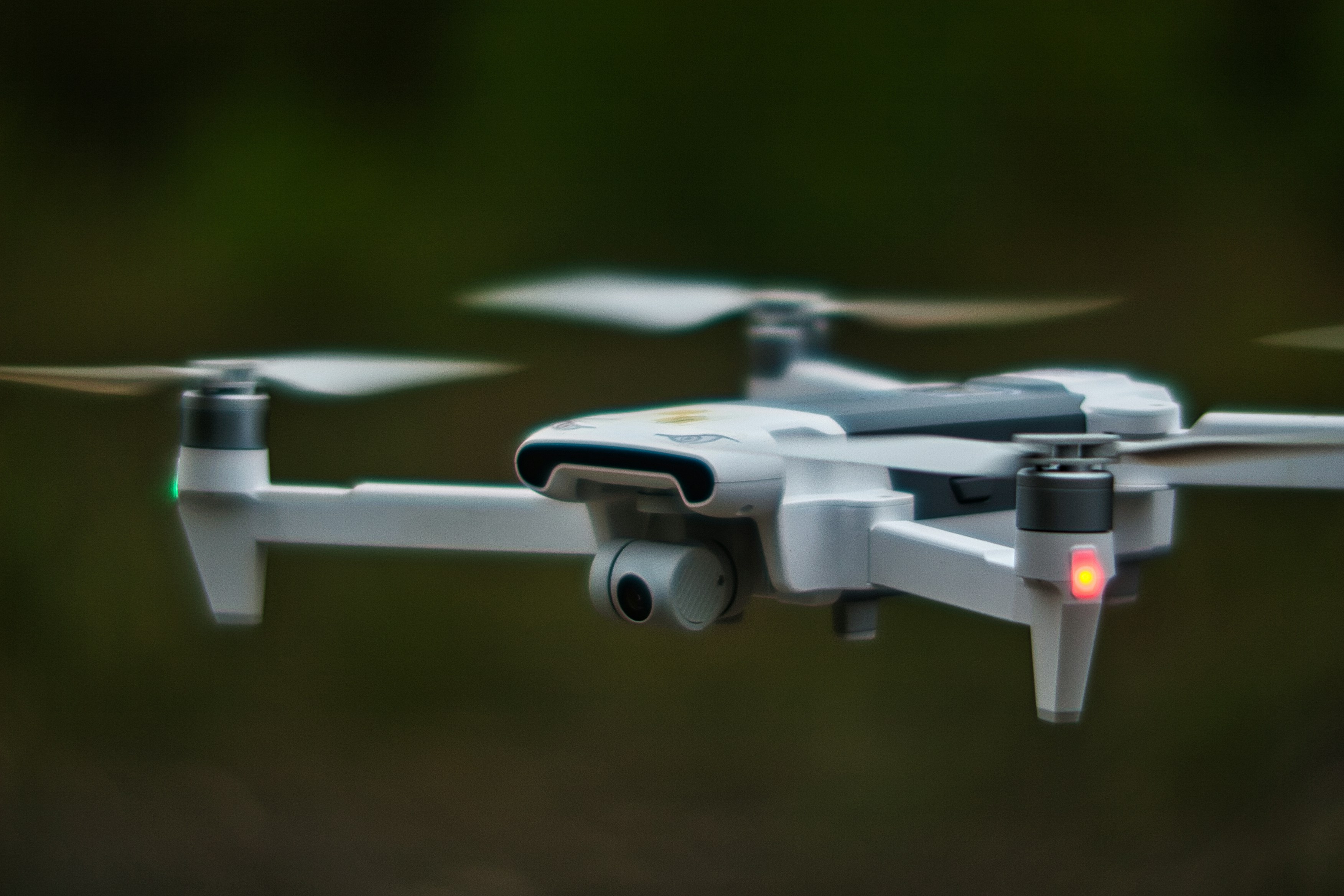
The successful candidate will be part of the design, development, integration and testing of VTOL drone flight control systems and hybrid energy distribution systems. The systems will need a control interface with the telemetry to monitor power electronics, power sources, sensors and motor invertor. You will be working on some cutting-edge technology!
Benefits:
• EMI share options
• 25 days + bank holidays (+1 per year of service up to a maximum of +5)
• 5 days carried forward, used within 6 months
• Enhanced sick leave
• Enhanced paternity/maternity leave
• Salary sacrifice pension scheme +5% company contribution
• Private Medical Insurance
• Group Life Insurance
• Group Critical Illness Insurance
• Group Income Protection Insurance
• Cash Plan for dental, optical etc.
• Employee Assistance Programme
• Up to £400/year reimbursement of professional registration fees
• Cycle to work scheme
• Shopping discounts
• Visa sponsorship and costs covered
Job summary
We are seeking a highly skilled and experienced Senior Aerothermal Engineer with deep
expertise in heat transfer and fluid dynamics. The ideal candidate will have a strong
background in both numerical modelling and experimental validation, being able to
conceptualise, model, design, build, test and analyse thermal components and systems. A PhD
in heat transfer or a closely related field is ideal. Experience with machine learning applied to
thermal problems and additive heat exchanger design is a significant advantage. This role
requires a proactive team player capable of leading technical projects and mentoring junior
engineers.
Your responsibilities
• Lead design and analysis of thermal components/systems, including heat exchangers,
using advanced modelling tools (Ansys, OpenFOAM).
• Develop and implement heat transfer experiments, including rig design, data
acquisition, and result interpretation.
• Apply machine learning methods to improve thermal performance modelling and
experimental insight.
• Model thermal systems using Simulink and Simscape for dynamic performance
prediction and control integration.
• Provide technical leadership across multidisciplinary teams on R&D and engineering
projects.
• Oversee project timelines, deliverables, and coordinate with internal and external
stakeholders.
• Contribute to the development of novel thermal management technologies,
particularly in aerospace, energy, or automotive sectors.
• Assist in planning new projects and fundraising.
• Support and mentor junior engineers.
Selection criteria
Essential
• Masters Degree or higher in Mechanical Engineering, Thermal Sciences, or a related
field.
• Depending on role from 3 years of combined academic and industry experience
• Proficient in Ansys Fluent, OpenFOAM, or similar CFD platforms.
• Proven experience in heat transfer experiments and test rig development.
• Hands-on experience with Matlab Simulink and Simscape for system-level modelling.
• Familiarity with data-driven methods and machine learning applications in thermal
analysis.
• Strong analytical, communication, and technical documentation skills.
Desirable
• PhD in Mechanical Engineering, Thermal Sciences, or a related field with
specialisation in heat transfer.
• Experience with additive manufacturing of heat exchangers.
• Background in project management (certifications like PMP are a plus).
• Prior team leadership or mentoring experience.
• Experience in regulated industries (e.g., aerospace, automotive, energy).
• Familiarity with Aerospace Standards (e.g. DO-160G)