
Related Jobs
View all jobsMachine Setter Operators
Lead Engineer
Senior Design Engineer
Medical Field Service Engineer
Medical Field Service Engineer
Subscribe to Future Tech Insights for the latest jobs & insights, direct to your inbox.
Industry Insights
Discover insightful articles, industry insights, expert tips, and curated resources.

Neurodiversity in UAV & Drone Careers: Turning Different Thinking into a Superpower
Uncrewed Aerial Vehicles (UAVs) – drones – have moved from hobby gadgets to essential tools. They inspect wind turbines, support emergency services, survey construction sites, map farmland, film live events & deliver critical medical supplies. Behind every successful mission are people: pilots, observers, maintenance engineers, data analysts, software developers & operations managers. Many of them do not think in a “typical” way – & that’s exactly why they’re good at what they do. If you live with ADHD, autism or dyslexia, you might have heard that your brain is “too distracted”, “too literal” or “too disorganised” for aviation work. In reality, many traits that made school or traditional office jobs difficult are serious strengths in UAV & drone operations – from hyperfocus during flights to pattern-spotting in aerial data. This guide is for neurodivergent job seekers exploring UAV & drone careers in the UK. We’ll look at: What neurodiversity means in a UAV context How ADHD, autism & dyslexia strengths map to drone roles Practical workplace adjustments you can ask for under UK law How to talk about your neurodivergence in applications & interviews By the end, you’ll see how “different thinking” can be a genuine superpower in the drone industry – not a weakness.

UAV & Drone Hiring Trends 2026: What to Watch Out For (For Job Seekers & Recruiters)
As we move into 2026, the UK UAV (uncrewed aerial vehicle) and drone jobs market is maturing fast. The “shiny new toy” phase is over. Public expectations and regulation are tougher, budgets are more closely scrutinised, and clients want measurable outcomes – safer inspections, faster data, lower costs, better evidence – not just impressive footage. At the same time, demand for UAV services in infrastructure inspection, construction, energy, agriculture, emergency response, defence and media continues to grow. Long-term trends like asset digitisation, smart cities, and net-zero infrastructure all rely on high-quality aerial data and remote operations. The result: fewer opportunistic one-off drone gigs, and more emphasis on professional UAV operations, data workflows and compliant, scalable services. Whether you’re: A job seeker looking for “UAV jobs in the UK”, “drone pilot jobs UK”, or “remote UAS operator roles”, or A recruiter or hiring manager trying to understand “UAV hiring trends 2026” and “how to hire drone pilots and UAS engineers”, …this guide breaks down what’s changing – and what to do about it.
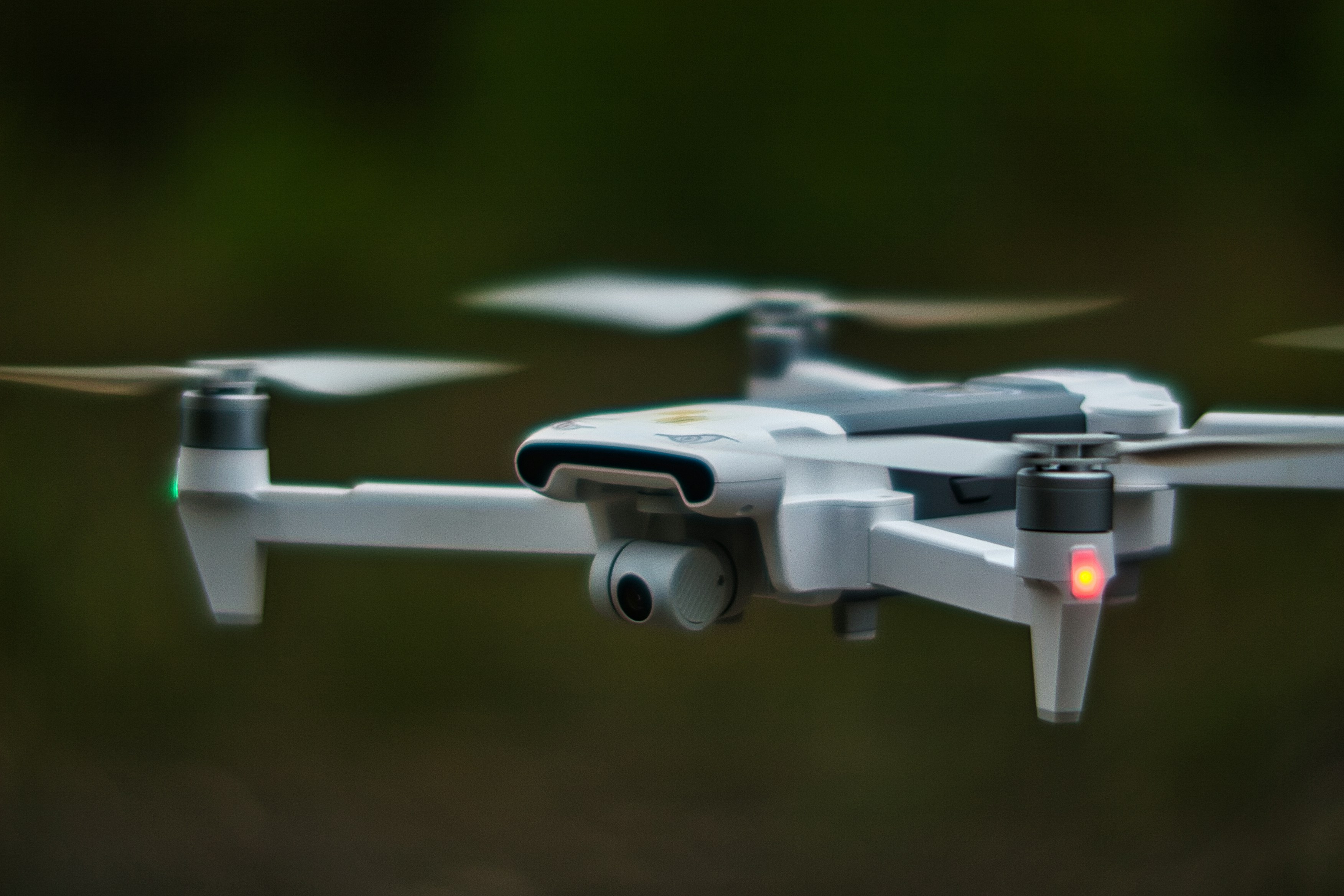
UAV (Drones) Recruitment Trends 2025 (UK): What Job Seekers Need To Know About Today’s Hiring Process
Summary: UK unmanned aviation (UAV/UAS/RPAS) hiring has shifted from aircraft‑type buzzwords to capability‑driven evaluation across flight ops, autonomy, data products, safety & regulatory compliance. Employers want proof you can plan, fly, analyse and scale UAV systems safely and economically—VLOS/A2 CofC, GVC, BVLOS & SORA ops, UTM integrations, command‑and‑control resilience, sense‑and‑avoid, payload pipelines, and fleet reliability. This guide explains what’s changed, what to expect in interviews & how to prepare—especially for UAV pilots/ops managers, flight test engineers, autonomy/perception, GNC/control, UTM/backend, safety & airworthiness, data processing/analysis, and field engineering roles. Who this is for: UAV pilots & flight ops, mission planners, flight test & safety engineers, autonomy/SLAM/perception, GNC/control engineers, embedded/avionics, communications & C2 links, UTM/airspace integrations, data processing (imagery/LiDAR/thermal), GIS/photogrammetry, maintenance & field techs, and programme/product managers in the UK.