
Subscribe to Future Tech Insights for the latest jobs & insights, direct to your inbox.
Industry Insights
Discover insightful articles, industry insights, expert tips, and curated resources.

UAV Team Structures Explained: Who Does What in a Modern UAV Department
Unmanned Aerial Vehicles (UAVs), commonly called drones, are transforming industries across the UK—from agriculture, surveillance, mapping, and inspection to logistics, environmental monitoring, and emergency response. UAV systems combine hardware, embedded systems, controls, autonomy, sensors, communications, regulatory / airworthiness, and operations. As the UAV ecosystem grows, companies need team structures that ensure safety, reliability, regulatory compliance, and operational readiness. If you are applying for UAV roles via UAVJobs.co.uk or building a UAV team, this article will help you understand the roles typical in a modern UAV department, how they collaborate throughout the UAV lifecycle, what skills and qualifications employers expect in the UK, what salaries look like, common challenges, and best practices for structuring teams that deliver capable UAV systems.

Why the UK Could Be the World’s Next UAV Jobs Hub
Unmanned Aerial Vehicles (UAVs), also known as drones, are transforming the way we survey landscapes, inspect infrastructure, deliver goods, monitor the environment, assist emergency services, and even engage in filmmaking. Their increasing adoption has opened up a wide variety of technical, regulatory, operation, and creative roles. In the UK, the UAV sector is growing rapidly. From regulatory advancements to commercial adoption, the environment is becoming more favourable for UAV innovation. Universities are expanding research, companies are developing novel UAV systems, and government initiatives are supporting testing and deployment. For professionals interested in flying, engineering, data analysis, software, or operations, the UAV field offers exciting opportunities. This article explores why the United Kingdom is well positioned to become a global UAV jobs hub, what the current landscape looks like, what roles are in demand, challenges to overcome, and what must happen for the UK to lead in UAV careers.
The Best Free Tools & Platforms to Practise UAV Skills in 2025/26
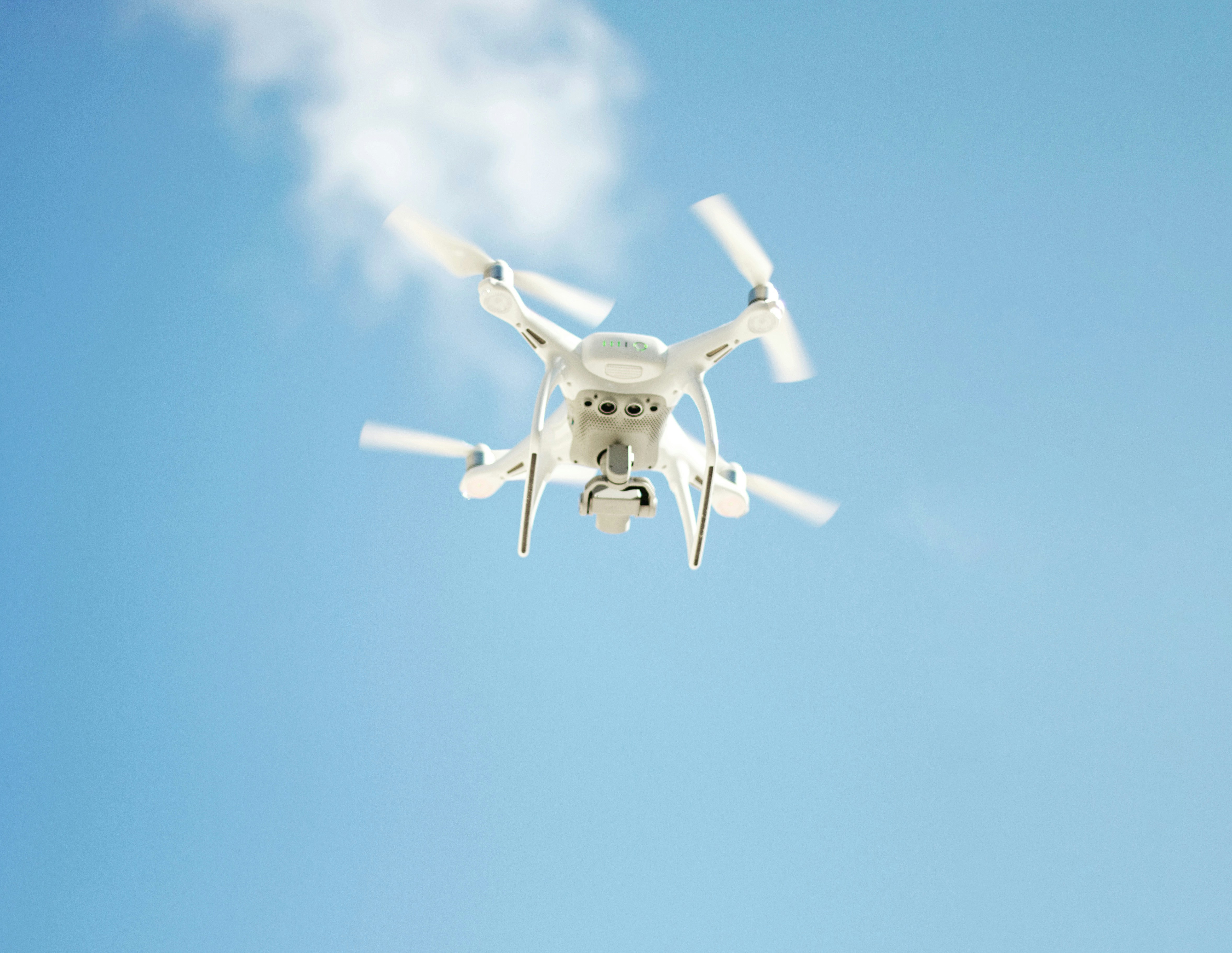
Unmanned Aerial Vehicles (UAVs), often referred to as drones, are no longer just hobbyist gadgets. They are now central to industries including logistics, construction, agriculture, energy, filmmaking, defence, and emergency services. The UK is seeing strong growth in UAV adoption as businesses explore cost-savings, safety improvements, and new commercial opportunities. For job seekers aiming to work in UAV engineering, piloting, software, or research, practical experience matters. Employers want more than a basic understanding of aerodynamics or regulations. They need candidates who can build, simulate, and operate UAV systems. The challenge? Real UAV hardware is expensive, flight testing is subject to strict regulation, and crashes are costly. But there’s good news: many free tools and platforms exist that allow you to practise UAV skills safely, effectively, and without breaking the bank. This article explores the best free tools available in 2025 to help you practise UAV skills, build projects, and prepare for careers in the drone and UAV sector.