Drone technician jobs UK: how to get into UAV building without a degree
UK drone makers are hiring technicians. Here's what the roles pay, the skills employers want, and how to get in without a degree.
By Julie Fixter, Client Partnership Consultant, Future Tech Jobs
Who actually builds the drones?
Not the person flying it. Not the person who designed it on a screen.
Someone with a soldering iron in one hand and a build pack in the other.
That's a drone technician. And right now, UK employers are hiring them.
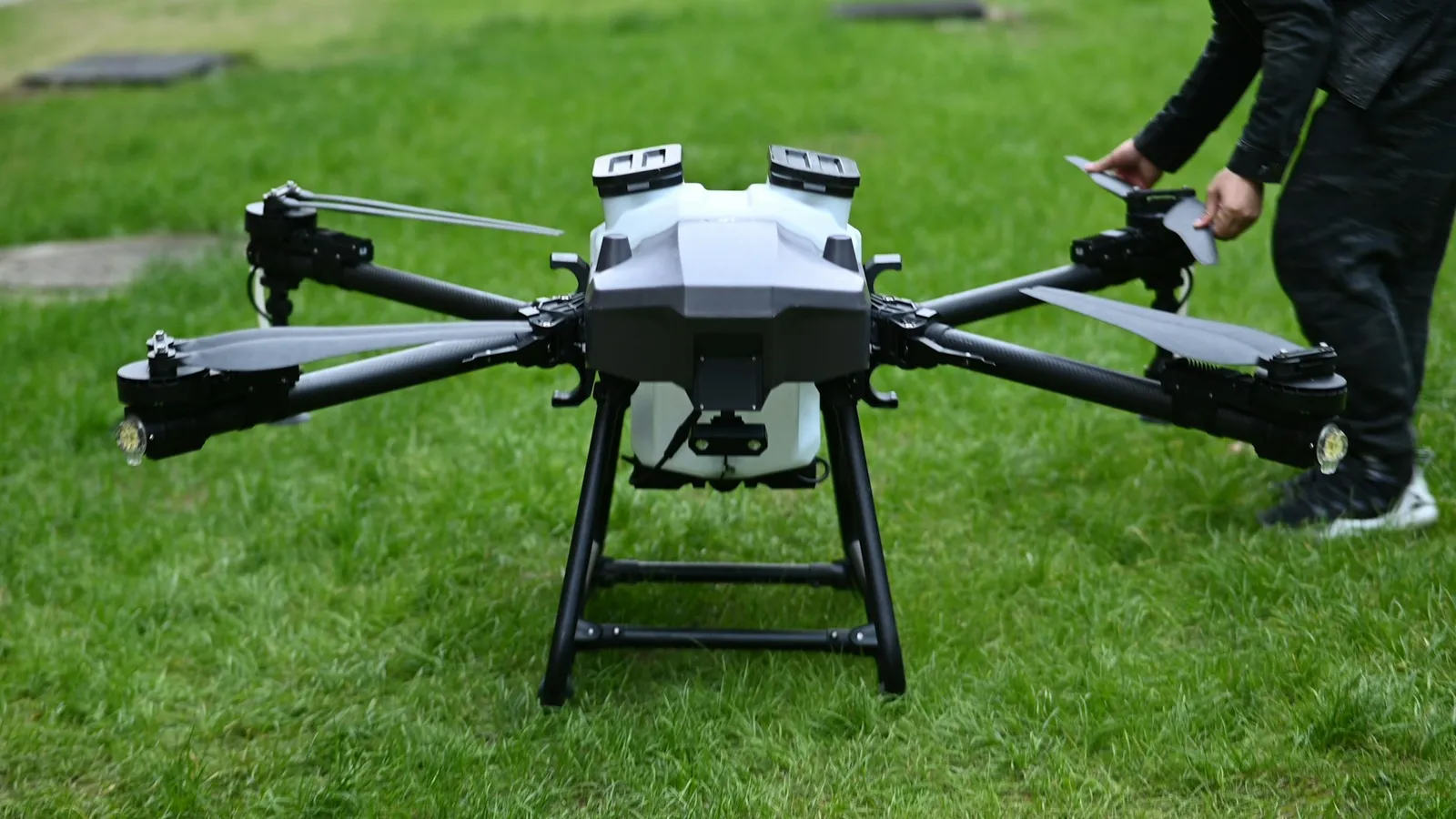
A drone technician (often called a UAV technician) builds, wires, tests and repairs uncrewed aircraft. Live adverts on UAV Jobs this month range from £27,000 to £30,000 for an entry-level production role in Hereford, to £35,000 to £44,000 for an experienced UAV build technician in Hitchin. Several of these roles don't ask for a degree. They ask for good hands, a careful eye and a willingness to learn.
Why drone technician jobs are growing in the UK
Big summer for UK drones, and a busy autumn too. In the last few months alone:
On 29 June 2026 the government announced more than £5 billion for drones and autonomous systems over four years, its largest ever drone investment for the Armed Forces. It talks about the need to "continuously scale production".
That package included a £50 million boost over 12 months for the Army's RAPSTONE programme, for first person view and interceptor drones.
In September, the MOD announced a contract worth up to £400 million with Tekever for AR5 drones, with a new factory in Swindon. It is expected to support more than 1,000 highly skilled jobs by 2030.
The same announcement included a £16 million deal for more than 1,025 small drones from three UK-based SMEs, which has already created more than 30 new roles.
The message is clear: you can't scale production without people who can build.
Designs don't assemble themselves. Somebody has to.
What does a drone technician actually do?
If you've ever lost a whole Sunday to a model aircraft kit and loved every minute, you're closer to this job than you think.
Here's what the live adverts actually ask for, day to day:
Building airframes. Bonding carbon fibre, composite repairs and, at Copello, traditional balsa construction for fixed-wing UAVs.
Fitting the clever bits. Installing propulsion, avionics and flight control equipment.
Wiring and electronics. PCB assembly, hand soldering, cable assemblies and box build, as in the Windracers Avionics Technician role.
Testing and fault-finding. Working to standard operating procedures, qualifying sub-systems and logging your work in digital build logs.
Getting out of the workshop. Supporting flight operations and test sites around the UK, which both Windracers and Saab mention.
It's practical, it's varied, and at the end of the week something you built leaves the ground.
Not many jobs can say that.
Drone technician salary UK: what the adverts say
Here's the spread from live adverts on the board, for anyone who likes their numbers neat:
Production Technician, no experience needed (defence UAS manufacturer, advertised by Matchtech), Hereford: £27,000 to £30,000
UAV Build Technician, Copello, Hitchin: £35,000 to £44,000
UAV / Senior UAV Technician, Windracers, Fareham: salary not listed
Manufacturing Technician, Saab UK (Blue Bear), Bedfordshire: salary not listed, with 25 days' holiday plus bank holidays and a pension
So what does that tell you?
The first rung is real. And the next rung up pays noticeably more. Hands-on experience compounds quickly in this sector.
Can you become a drone technician without a degree?
Yes, for many roles. Several of the adverts on the board right now put practical skill ahead of qualifications:
The Hereford production role is advertised as no experience needed. It asks for manual dexterity, attention to detail and the ability to follow written procedures. Composites, motorsport, marine, automotive or aerospace experience is a bonus, not a must.
The Windracers CAD Technician role asks for an HNC, HND, apprenticeship or equivalent.
The Windracers UAV Technician role asks for three or more years of hands-on engineering or manufacturing experience. No degree is listed.
Saab's Manufacturing Technician role wants a background in mechanical or electrical assembly, ideally from aerospace, robotics or automotive. No formal qualifications are specified.
One caveat: not every technician role is the same. The Windracers Avionics Technician advert does list a degree, so always read the full advert before you rule yourself in or out.
Here, your hands are your CV. Show them off.
The skills employers want (and how to build them)
Pull the adverts together and the same skills keep turning up:
Composites: bonding, lay-up, finishing and repair.
Reading the paperwork: engineering drawings, wiring diagrams and build packs.
Electronics: soldering and cable assembly. Windracers lists IPC certification as desirable.
Fault-finding: diagnosing hardware problems with standard test equipment.
Autopilot know-how: Copello lists Pixhawk or Orange Cube autopilots, plus Mission Planner or ArduPilot, as desirable.
Clearance: defence work usually means vetting. Windracers asks for BPSS within probation, and Saab mentions SC-level clearance.
Good news on that autopilot point. ArduPilot is open source and runs on fixed-wing aircraft, multicopters, boats and rovers, with Mission Planner as one of its ground stations. You can learn it on your own build, at your own kitchen table.
Photograph everything. Write down what went wrong and how you fixed it. That's a portfolio.
Where the drone technician jobs are
The work clusters around the people building aircraft:
Fareham, Hampshire: Windracers, with technician, avionics and CAD roles on the board.
Hitchin, Hertfordshire: Copello's UAV build role.
Hereford: the defence UAS production role.
Bedfordshire: Saab UK's Blue Bear team.
Swindon: one to watch, with Tekever's new factory and the government's Uncrewed Systems Centre, which it describes as Europe's biggest drone testing centre.
Not on the doorstep? Set a job alert for your area and let the roles come to you.
What you actually want from your next move
Here's the bit I care about most.
Niche matters. Specialist employers look for specialist people, in specialist places. That's why the drone companies above advertise on a board built for drone talent, rather than hoping you'll spot them between a barista job and a call centre role.
And in niche tech, the best candidates aren't endlessly scrolling job ads. They're choosing between offers.
That choice usually goes to the companies people already know. So get to know them now. Follow the employers you like the look of. Read their adverts even when you're not ready to apply. Work out which ones build the kind of aircraft that gets you out of bed.
Don't wait for the vacancy. Get known before you're needed.
How to land your first drone technician job
Audit your hands. Motorsport, marine, automotive, composites, electronics, model aircraft: list every practical skill you have.
Build something and document it. An ArduPilot project with photos and notes says more than a paragraph of adjectives.
Speak the advert's language. Build packs, SOPs, soldering, bonding, fault-finding. If you've done it, say so plainly.
Check the basics. Right to work in the UK, and whether you could meet vetting requirements for defence roles.
Get your CV in front of employers. Upload it to UAV Jobs and set an alert for "technician".
Drone technician jobs: FAQs
How much does a drone technician earn in the UK?
Live adverts on UAV Jobs in October 2026 range from £27,000 to £30,000 for an entry-level UAV production technician in Hereford, to £35,000 to £44,000 for an experienced UAV build technician at Copello in Hitchin.
Can I become a drone technician without a degree?
Yes, for many roles. Current adverts ask for hands-on assembly experience, an HNC, HND or apprenticeship, or in one case no experience at all. Some avionics roles do list a degree, so check each advert.
Do I need a drone pilot qualification to be a drone technician?
None of the technician adverts we looked at for this article asks for a CAA pilot qualification. They focus on building, wiring, testing and repairing aircraft.
What skills do drone technicians need?
Composites work, reading engineering drawings and wiring diagrams, soldering and cable assembly, fault-finding, and ideally some autopilot experience with tools like ArduPilot, Pixhawk or Mission Planner.
Who is hiring drone technicians in the UK?
At the time of writing, UAV Jobs lists technician roles at Windracers in Fareham, Copello in Hitchin, Saab UK in Bedfordshire and a defence UAS manufacturer in Hereford.
Any questions, let me know. I'd love to hear what you're building.
Ready to find your next drone technician job?
The sector is building. Make sure you're in the room.
Set up a job alert for technician roles near you
Upload your CV so drone employers can find you
About the author

Julie Fixter is a Client Partnership Consultant at Future Tech Jobs, helping employers and recruitment partners reach specialist talent across AI, quantum, robotics, semiconductors, space and the rest of the FTJ network. She spent seven years in sales at a UK software house before joining FTJ, and trained in psychodynamic counselling, which shapes how she thinks about what candidates actually want from a move. Based in Manchester. Connect with Julie on LinkedIn.