How AI and Machine Learning Are Transforming UAV Operations: New Job Roles and Skills in Demand
The world of Unmanned Aerial Vehicles (UAVs) is rapidly evolving, and two of the most significant drivers of this transformation are Artificial Intelligence (AI) and Machine Learning (ML). These technologies are making UAVs smarter, more autonomous, and capable of completing complex tasks that once required significant human intervention. From advanced object detection and real-time data analysis to predictive maintenance and autonomous navigation, AI and ML are changing how drones operate across various industries.
For job seekers, this presents exciting opportunities. As AI and machine learning integrate further into UAV systems, a host of new job roles are emerging, particularly for professionals with skills in these advanced technologies. In this article, we explore the integration of AI and ML in UAV operations and highlight the new career paths and skills required to thrive in this dynamic field.
The Integration of AI and Machine Learning in UAV Operations
UAVs, traditionally operated by human pilots, are becoming increasingly autonomous thanks to advances in AI and machine learning. These technologies allow drones to process vast amounts of data in real-time, enabling them to make decisions independently, navigate complex environments, and complete tasks with minimal human oversight. Here’s how AI and ML are transforming UAV operations:
Autonomous Navigation: With AI-driven obstacle avoidance and path planning, drones can navigate through complex environments without human input. AI systems help UAVs detect and avoid obstacles, making them ideal for missions in unpredictable or dangerous areas.
Real-Time Data Analysis: AI enables drones to process and analyse data in real-time. This is particularly useful in applications like search and rescue, surveillance, and environmental monitoring, where instant decision-making is crucial.
Advanced Object Detection: Machine learning algorithms allow drones to identify and classify objects, people, or animals from aerial footage. This capability is transforming sectors like agriculture, wildlife monitoring, and disaster management, where precise object detection is vital.
Predictive Maintenance: AI-powered predictive maintenance systems can monitor the health of UAVs and forecast potential technical issues before they occur. This helps reduce downtime, ensuring drones remain operational for longer periods, especially during critical missions.
The integration of AI and ML into UAV operations is creating a demand for new skills and expertise, offering job seekers the chance to enter this innovative field.
New Job Roles in AI-Enhanced UAV Operations
As AI and machine learning become integral to UAV technology, a range of new job roles are emerging that require specific technical skills. Here’s a look at some of the key positions being created by this technological evolution:
1. AI Drone Developer
AI drone developers design and implement AI algorithms that allow UAVs to operate autonomously. This role involves developing systems for object detection, navigation, and data analysis, all of which require deep knowledge of machine learning and AI frameworks.
Key Skills Required:
Expertise in AI programming languages like Python and frameworks such as TensorFlow or PyTorch.
Experience with computer vision, machine learning models, and robotics.
Knowledge of UAV hardware and software systems.
Where to Find Jobs: AI drone developers are in high demand across sectors like defence, agriculture, and logistics.
2. UAV Data Scientist
UAVs collect vast amounts of data, which needs to be processed and analysed to generate actionable insights. UAV data scientists are responsible for creating models that allow drones to analyse data, recognise patterns, and make predictions in real-time.
Key Skills Required:
Strong proficiency in data science tools and languages such as Python, R, and SQL.
Expertise in machine learning models, predictive analytics, and real-time data processing.
Experience with geospatial data and aerial imagery analysis.
Where to Find Jobs: UAV data scientists are employed by companies involved in agriculture, environmental monitoring, and industrial inspections.
3. Autonomous Systems Engineer
Autonomous systems engineers work on the development of UAV systems that can operate with minimal human input. They focus on integrating AI algorithms for navigation, decision-making, and automation. This role is key to developing drones that can perform complex tasks independently.
Key Skills Required:
Expertise in robotics, AI, and machine learning.
Familiarity with navigation algorithms, sensor fusion, and control systems.
Strong understanding of UAV systems and their hardware components.
Where to Find Jobs: Autonomous systems engineers are sought after by industries like logistics, defence, and emergency services.
4. Machine Learning Engineer (UAV Applications)
Machine learning engineers working in UAV operations develop models that enhance the capabilities of drones. This can include object detection, motion prediction, and decision-making processes. They collaborate closely with software developers and data scientists to build intelligent UAV systems.
Key Skills Required:
Proficiency in machine learning algorithms and frameworks.
Experience with deep learning, neural networks, and natural language processing (NLP).
Strong understanding of UAV operational requirements and limitations.
Where to Find Jobs: Machine learning engineers with a focus on UAV applications are increasingly in demand across sectors like healthcare, surveillance, and environmental conservation. .
Explore More AI and Machine Learning Job Opportunities
In addition to opportunities in UAV operations, AI and machine learning are transforming industries like finance, healthcare, and transportation, creating a surge in demand for skilled professionals across the UK. If you’re passionate about AI and ML but are considering broader career options beyond UAVs, we also recommend visiting our sister websites:
www.artificialintelligencejobs.co.uk: Discover AI-related job opportunities across various industries, from research and development to AI product management and data science.
www.machinelearningjobs.co.uk: Explore specialised roles in machine learning, including positions for data scientists, ML engineers, and AI research experts across multiple sectors.
By visiting these websites, you can explore a wider range of job opportunities that match your skills in AI and machine learning.
Top Employers Using AI and Machine Learning in UAVs
Several industries are now incorporating AI and machine learning into their UAV operations, creating a surge in demand for professionals with relevant expertise. Here are some top sectors hiring for AI-enhanced UAV roles:
Defence and Security: Defence organisations are leveraging AI-driven drones for surveillance, reconnaissance, and autonomous missions. Companies like BAE Systems and QinetiQ are actively hiring AI specialists for their UAV projects.
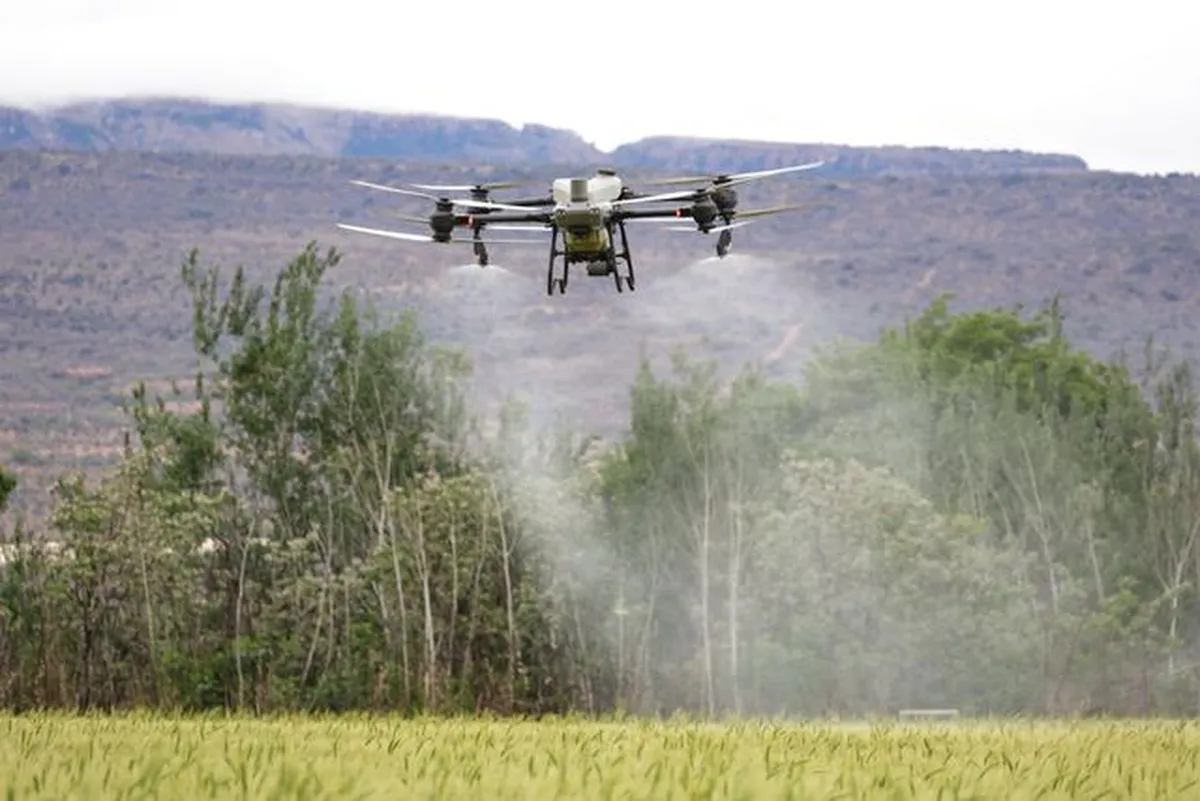
Agriculture: AI-powered drones are transforming precision agriculture, enabling farmers to monitor crop health, identify pests, and manage resources more efficiently. Companies in this sector are looking for AI professionals to enhance their UAV systems.
Logistics and Delivery: Companies like Amazon are exploring the use of AI-enhanced drones for autonomous delivery services. These roles require expertise in AI, machine learning, and UAV navigation systems.
Skills in Demand for AI-Driven UAV Jobs
As the integration of AI and machine learning in UAVs grows, the skill set required to work in this field is evolving. Employers are seeking professionals with a mix of technical and operational skills to handle the complexities of AI-enhanced drones. Here are the key skills in demand:
AI and Machine Learning: Familiarity with AI frameworks like TensorFlow and machine learning models is essential for anyone working with autonomous UAV systems.
Data Science: Experience in processing and analysing the vast amounts of data collected by UAVs is crucial for roles like UAV data scientists and machine learning engineers.
UAV Operation: While AI and ML are automating many aspects of UAV operation, understanding the fundamentals of drone piloting, safety protocols, and regulations is still critical for professionals in this field.
By developing these skills, job seekers can position themselves for success in the fast-growing UAV industry.
Preparing for a Career in AI-Enhanced UAV Operations
If you’re ready to embark on a career in AI-enhanced UAV operations, here are a few steps to get started:
Get Certified: While traditional UAV certifications like the General Visual Line of Sight Certificate (GVC) are essential for piloting drones, additional certifications in AI or data science can help you stand out in this competitive field.
Gain Hands-On Experience: Employers value practical experience with AI and UAV systems. Consider internships, personal projects, or volunteering in roles where you can develop your AI and machine learning skills.
Stay Updated on Industry Trends: The field of AI and UAV operations is constantly evolving. Stay informed about the latest advancements by following industry publications, attending conferences, and participating in webinars.
Apply for Jobs: Ready to start your career in AI and UAV operations? Visit www.uavjobs.co.uk to find the latest job opportunities and apply today.
Conclusion: The Future of UAVs with AI and Machine Learning
AI and machine learning are reshaping the future of UAV operations, creating smarter, more efficient, and autonomous drones. For job seekers, this technological transformation opens up a wealth of opportunities across various sectors, from defence and agriculture to logistics and environmental monitoring.
Whether you’re an AI specialist, a data scientist, or a drone operator with a passion for cutting-edge technology, the UAV industry offers a dynamic and rewarding career path. With the integration of AI and machine learning, the demand for skilled professionals will continue to rise.
Whether you're looking for a role in UAV operations, AI development, or data analysis, now is the perfect time to seize these opportunities. Explore the latest AI-driven UAV job opportunities on www.uavjobs.co.uk, and don’t forget to visit our sister websites, www.artificialintelligencejobs.co.uk and www.machinelearningjobs.co.uk, to discover a broader range of careers in AI and machine learning across various industries.
By staying informed, developing your skills, and applying for the right roles, you can launch a successful and impactful career in this fast-growing field.