The Role of UAVs in UK Emergency Response: Job Opportunities for Drone Operators
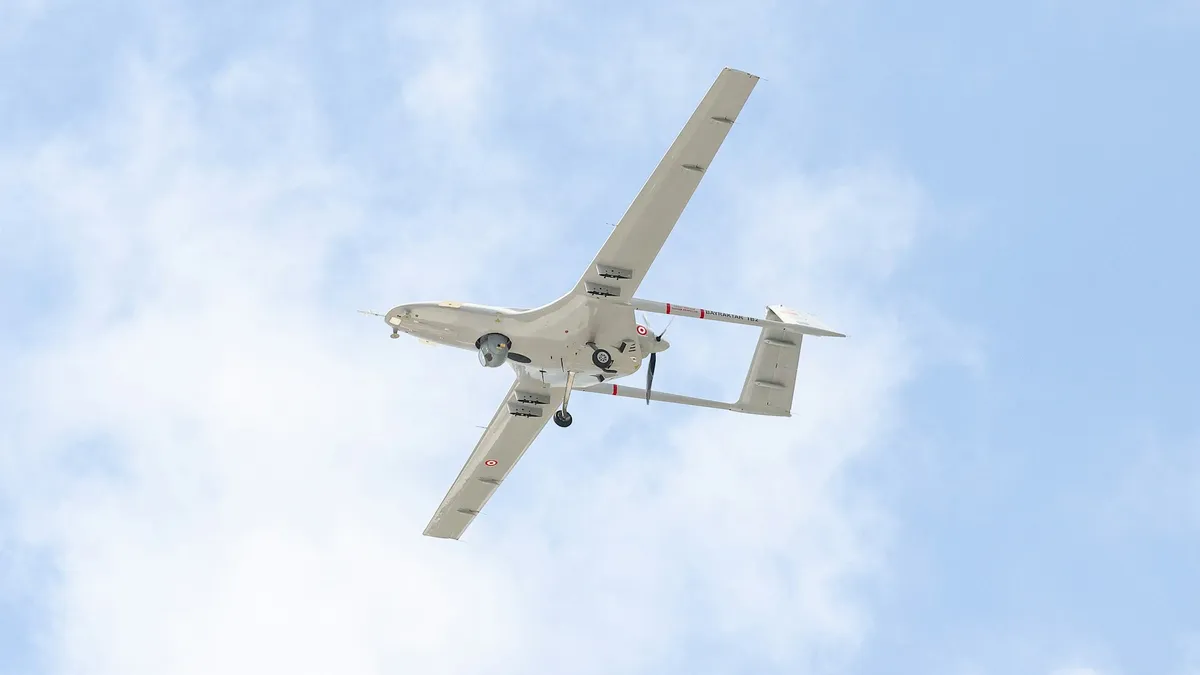
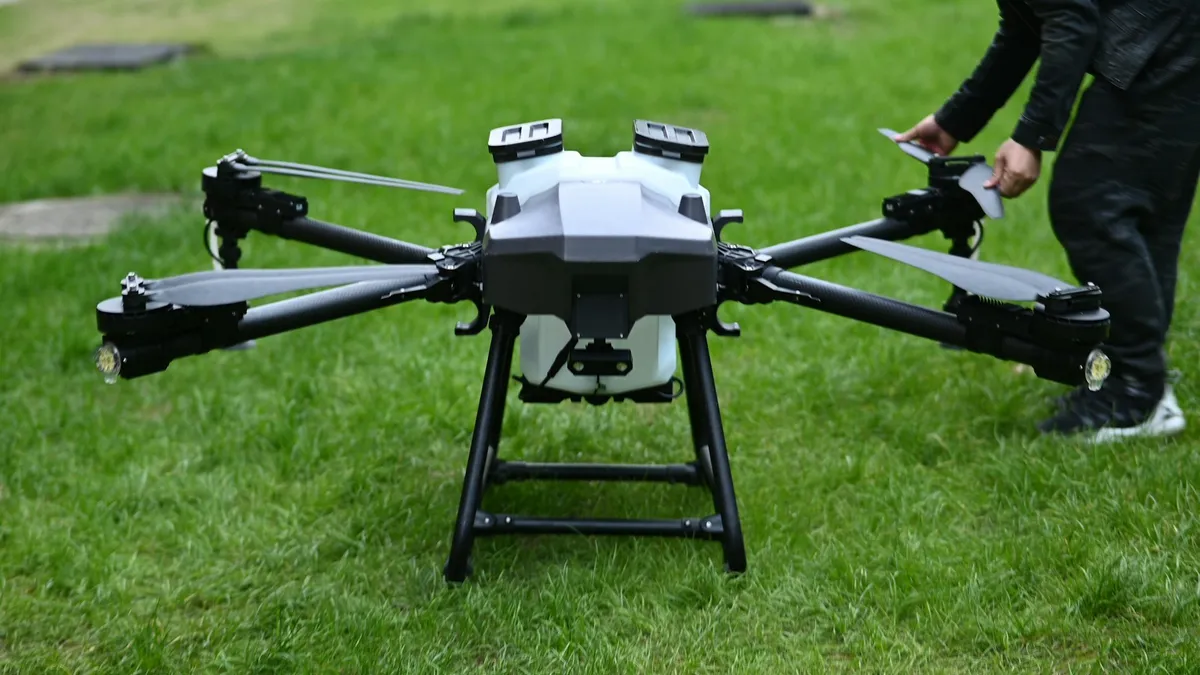
In recent years, the use of Unmanned Aerial Vehicles (UAVs), commonly known as drones, has transformed various industries, from agriculture and delivery to photography and surveying. One of the most impactful areas where UAVs are gaining traction is emergency response. Across the United Kingdom, fire services, police, and rescue teams are incorporating drones into their operations to improve efficiency and outcomes in life-or-death situations. As a result, job opportunities for drone operators have surged, making it a promising field for tech-savvy job seekers.
If you’re looking for an exciting, high-impact career in the tech sector, now is the perfect time to explore job opportunities as a UAV operator. In this article, we’ll discuss how drones are being used in emergency response in the UK, the challenges involved, and how you can land a job in this growing field.
Why Drone Operators Are in High Demand in Emergency Services
As the reliance on drones grows, so does the need for skilled professionals to operate and maintain these advanced machines. Emergency services increasingly turn to UAVs for their ability to access hard-to-reach areas, deliver real-time data, and assist in crisis situations with minimal risk to human responders. These advantages create a rising demand for UAV pilots, technicians, and data analysts who can work under pressure and in dynamic environments.
UAV operators play critical roles in the following areas of emergency response:
Search and Rescue (SAR) Missions: In rugged terrains like mountains, forests, or coastal regions, UAVs equipped with thermal imaging cameras can quickly locate missing persons. The use of drones dramatically increases the chances of survival in time-sensitive rescue operations.
Disaster Relief and Damage Assessment: Following natural disasters such as floods or storms, drones help emergency teams assess damage and determine which areas need the most urgent assistance. UAVs can provide real-time aerial views, covering vast areas more quickly than ground teams.
Firefighting Support: Drones with thermal sensors can identify the source of fires, even when visibility is compromised. They offer critical insights into fire spread patterns and help firefighters plan their approach with better precision and safety.
Medical Supply Delivery: Drones can deliver essential medical supplies like defibrillators or first-aid kits to hard-to-reach or isolated areas, ensuring that life-saving equipment reaches those in need quickly.
As a drone operator in emergency services, you’ll be directly contributing to life-saving missions, making your work both rewarding and impactful.
Job Opportunities for UAV Operators in Emergency Response
The growing integration of UAVs into UK emergency services is generating an increasing number of job opportunities for skilled drone operators, technicians, and data analysts. If you have experience or an interest in drone technology, now is the ideal time to explore these career options. Here’s a look at some of the roles available in this exciting field:
1. Drone Pilot (Emergency Response)
As a drone pilot specialising in emergency response, your role will involve flying UAVs during critical incidents such as search and rescue operations, fire monitoring, and medical deliveries. You’ll need to be skilled in navigating drones in challenging environments, often under pressure, to support emergency teams.
Key Skills Required:
Expertise in flying UAVs both manually and autonomously.
Familiarity with thermal imaging, mapping software, and real-time data transmission.
Knowledge of the Civil Aviation Authority (CAA) regulations governing drone use, including Beyond Visual Line of Sight (BVLOS) operations.
Where to Find Jobs: Fire services, police forces, and private disaster relief organisations are actively hiring UAV pilots.
2. UAV Technician
UAV technicians are responsible for maintaining and repairing drones to ensure they are operational when needed. This role is essential in emergency response, where drones need to be flight-ready at all times.
Key Skills Required:
Knowledge of UAV hardware and software systems.
Ability to diagnose and repair mechanical and electrical faults.
Expertise in preparing UAVs with the right payloads, such as cameras or medical supplies.
Where to Find Jobs: Many emergency service providers are now hiring UAV technicians to ensure their drones are always mission-ready.
3. Data Analyst (UAV Operations)
Drones collect vast amounts of data during emergency operations, such as thermal images, mapping data, and video footage. UAV data analysts interpret this information and provide actionable insights to help emergency services make informed decisions.
Key Skills Required:
Proficiency in Geographic Information Systems (GIS) and photogrammetry.
Strong data analysis skills to process real-time information.
Knowledge of data privacy laws and secure data handling practices.
Where to Find Jobs: Police forces, search and rescue organisations, and private sector companies are hiring UAV data analysts.
4. UAV Instructor/Trainer
As the use of drones expands across emergency services, the need for training professionals who can educate new UAV pilots and operators is growing. UAV instructors are responsible for teaching the technical skills and safety protocols required to operate drones in high-pressure situations.
Key Skills Required:
Expertise in UAV flight operations.
Experience in training or teaching, particularly in a technical field.
Familiarity with the qualifications and certifications needed for UAV operators in the UK.
Where to Find Jobs: Emergency services and private training providers are actively seeking experienced UAV instructors.
Top Employers Hiring Drone Operators in the UK
In addition to the public emergency services like fire brigades and police forces, there are numerous organisations and private companies employing UAV operators. Companies that specialise in disaster relief, security, and environmental monitoring are increasingly using drones to enhance their operations.
Some of the top employers hiring UAV operators in the UK include:
Fire and Rescue Services across the UK, such as Greater Manchester Fire and Rescue, are hiring UAV pilots and technicians to support firefighting efforts and search-and-rescue missions.
Private Disaster Relief Organisations like the Red Cross and private security firms are employing drone operators for surveillance and rapid response.
Environmental Agencies such as the Environment Agency use UAVs for flood monitoring and environmental damage assessments.
You can find the latest job listings from these employers and more on www.uavjobs.co.uk
Challenges and Considerations in UAV Emergency Response Jobs
While UAVs bring many benefits to emergency response, there are challenges and considerations for those entering the field. Some of these include:
Airspace Management: Drone operators must navigate strict airspace regulations, especially in urban areas or near airports.
Privacy Concerns: UAV operators must be mindful of privacy laws when collecting and handling data, particularly in surveillance operations.
Weather Conditions: Adverse weather like high winds or heavy rain can limit UAV operations, requiring operators to have contingency plans in place.
These challenges underscore the importance of having well-trained and certified drone operators who are familiar with both the technical and legal aspects of UAV use.
Preparing for a Career in UAV Emergency Response
If you're interested in a career as a drone operator in emergency response, here’s how to get started:
Get Certified: The Civil Aviation Authority (CAA) requires commercial UAV pilots to have certifications such as the General Visual Line of Sight Certificate (GVC) or A2 Certificate of Competency (A2 CofC). These certifications are essential for working in emergency response.
Develop Technical Skills: Familiarise yourself with UAV software, imaging tools, and thermal sensors, as these are commonly used in emergency response operations.
Gain Experience: Volunteering or working with emergency services can provide invaluable experience. This hands-on exposure will make you a more competitive candidate when applying for jobs.
Apply for Jobs: Start applying for roles in this exciting and growing field by visiting www.uavjobs.co.uk, where you can find a wide range of job opportunities tailored to UAV professionals.
Conclusion: Your Future in UAV Emergency Response
With the increasing use of UAVs in emergency services across the UK, now is the perfect time to launch your career as a drone operator. Whether you’re piloting drones for search and rescue missions, analysing critical data for disaster relief, or maintaining UAVs for firefighting efforts, there are countless opportunities for you to make a real difference.