The role
Do you want to work as part of a dynamic team to develop a high-altitude sensing platform for studying volcanoes as a proxy for climate engineering? Do you enjoy the challenge of connecting cutting-edge research to real-world utility? The University of Bristol has the ideal opportunity in UAVs, autonomy, flight optimisation, and sensing for you!
We are looking for a talented and motivated Research Associate or Senior Research Associate in Drone Control, AI, and Flight Testing to join an ambitious, high-impact project.
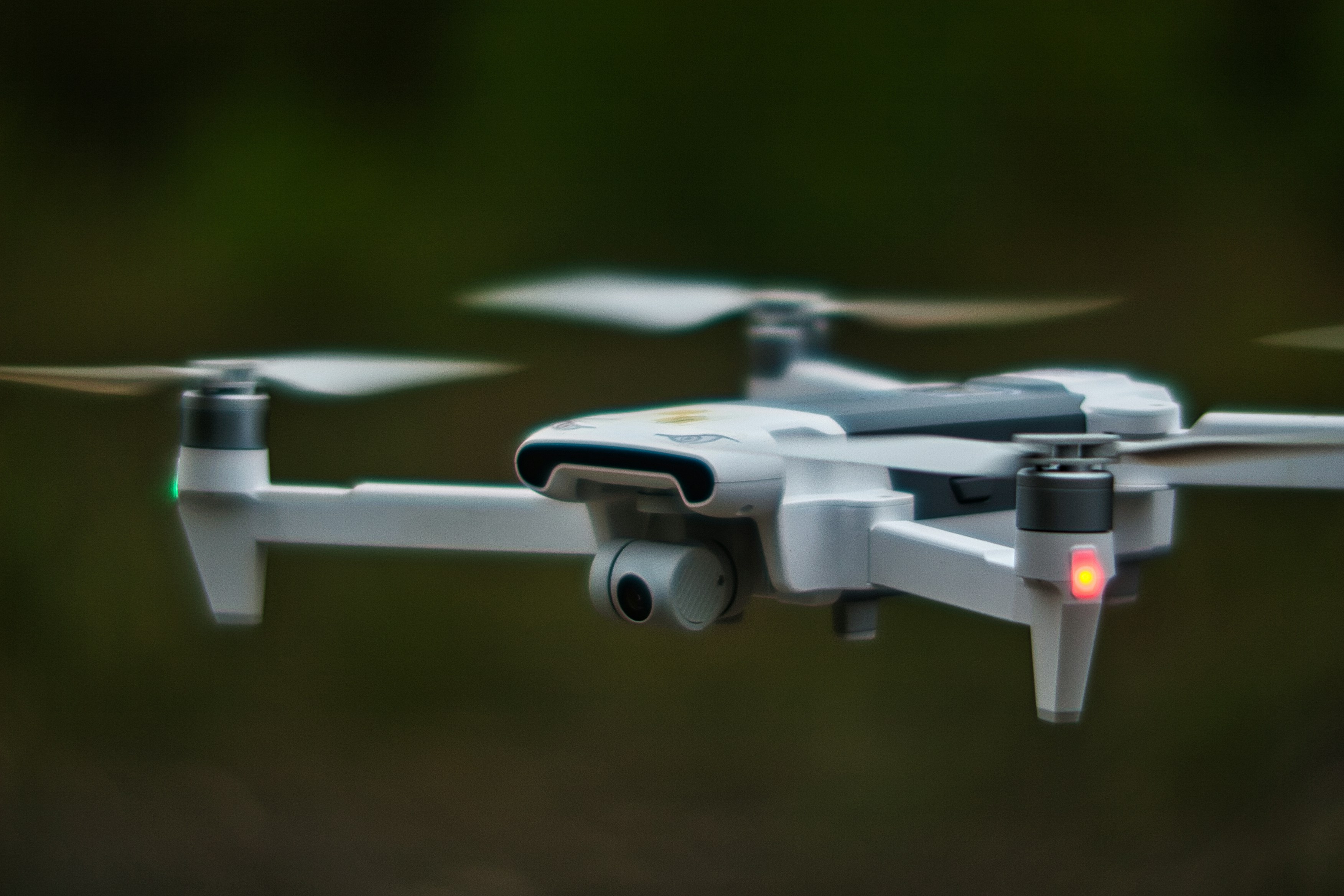
The successful candidate will contribute to an exciting, multidisciplinary research project focused on the design, development, and operation of high-altitude Uncrewed Air Vehicles (UAVs) for monitoring volcanic emissions used as a real-world proxy to explore Climate Engineering strategies.
This four-year project combines cutting-edge UAV engineering with field-based atmospheric science. You will be part of a team advancing UAV capabilities while deploying these systems in active volcanic environments. Development and flight testing will run in parallel with field campaigns at three key volcanic sites: Soufrière Hills Volcano (Montserrat), Fuego (Guatemala), and Lascar (Chile). These deployments offer a rare opportunity to gather high-impact environmental data in some of the most dynamic and scientifically significant locations on Earth.
The level of the role offered will depend on the skills, experience, and qualifications you bring to the project.
We are looking for an ideal candidate to join our team in summer, aligning with the start of this important project. We are open to some flexibility with the start date, so if you are available shortly before or after, we would still love to hear from you.
The post is offered on a full-time basis for up to 4 years (until April 2029), with flexible working and a very generous leave entitlement. Interviews are expected to take place shortly after the advert closes. Please note that this position is subject to funding and awaiting contract signing. For further information, visitwww.aria.org.uk. Applications and interviews can occur, but an offer of employment cannot be made until funding is formally secured.
What will you be doing?
- Developing UAV sensing platforms capable of operating up to 30,000ft AMSL.
- Research into advanced UAV design, operational performance, real-time sensing, and autonomous onboard re-routing.
- Participating in flight testing campaigns at diverse locations, including Llanbedr Airfield (Wales), Montserrat, Guatemala, and Chile.
- Contributing hands-on expertise in building, integrating, and operating high-performance Uncrewed Aircraft Systems (UAS) in challenging field conditions, supporting engineering innovation and scientific discovery.
You should apply if
- You hold a relevant doctorate (or are close to completion), or have equivalent professional experience in aerospace engineering, robotics, or a related field.
- You have hands-on experience working with drones in a lab setting, focusing on thedesign, flight testing, performance, and operationof high-altitude sensing UAVs.
- You have a strong research record in areas such asdrone path planning, flight control, sensing systems, and/oraircraft simulation, demonstrated through publications and practical flight trial experience.
- You possess a collaborative mindset and thrive in adynamic, agile teamenvironment focused on building and deploying cutting-edge sensing platforms in the field.
For a full view of the requirements at the Research Associate and Senior Research Associate levels, please refer to the attached job description.
Additional information
For informal enquiries, please contact Professor Arthur at
Contract type:Open Ended with Fixed Funding until April 2029
Work pattern:Monday - Friday, 35 hours per week.
Grade:I/J - Pathway 2
Salary:£38,249 - £44,128 (Grade I) OR £42,882 - £48,149 (Grade J) per annum depending on experience
School/Unit:The Faculty of Science and Engineering
Application deadline:23:59 UK time on 05/08/2025
Interviews expected:Week commencing 18/08/25
Our strategy and mission
We recently launched our strategy to 2030, tying together our mission, vision, and values.
The University of Bristol aims to be a place where everyone feels able to be themselves and do their best in an inclusive working environment where all colleagues can thrive and reach their full potential.
We seek to attract, develop, and retain individuals with different experiences, backgrounds, and perspectives—particularly people of colour, LGBT+, and disabled people—because diversity of people and ideas remains integral to our excellence as a global civic institution.
#J-18808-Ljbffr